Small Beach: A Strategic Asset for Distinctive Brand Communication
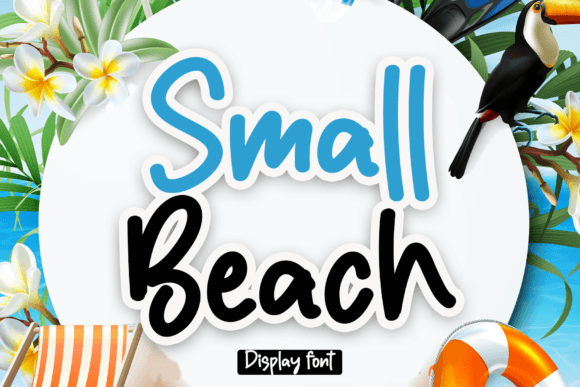
In the crowded landscape of digital and print media, typography is rarely just about legibility; it is a primary vehicle for emotional resonance and brand positioning. Small Beach, a cool and colorful display font, represents more than a stylistic choice—it is a strategic tool for creators and business owners aiming to differentiate their visual identity. Whether you are developing marketing materials, crafting educational resources, or designing product packaging, the intentional deployment of Small Beach can significantly influence how your audience perceives your message. This article explores how to leverage this typeface effectively, moving beyond aesthetic preference to achieve tangible communication goals.
Defining the Strategic Value of Display Typography
At its core, Small Beach is designed to capture attention. Its "cool and colorful" nature suggests a personality that is approachable, vibrant, and modern. For entrepreneurs and marketers, understanding the psychological impact of such a font is crucial. Unlike neutral sans-serif typefaces used for body copy, display fonts like Small Beach carry heavy semantic weight. They signal tone before a single word is read.
When integrated into a broader design system, this font supports specific objectives:
- Brand Differentiation: In saturated markets, a unique typographic voice helps a brand stand out immediately.
- Emotional Connection: The playful yet structured forms of Small Beach can evoke feelings of nostalgia, creativity, or friendliness, aligning with brands that value human connection.
- Hierarchy Establishment: Using a distinct display font for headlines creates a clear visual hierarchy, guiding the viewer's eye to the most critical information first.
The utility of Small Beach extends across various mediums. For digital designers, it offers high impact on social media graphics and website headers. For those in the craft industry, it adds a professional yet handmade feel to physical products. Educators and publishers can utilize it to make learning materials more engaging, while freelancers can use it to inject personality into presentations and proposals.
Aligning Font Selection with Business Goals
Selecting a typeface should never be an arbitrary decision. It must align with your overarching business strategy and the specific outcomes you wish to achieve. Before committing to Small Beach for a project, consider the following strategic questions:
- Who is the target audience? Does the vibrant character of Small Beach resonate with your demographic? It is particularly effective for audiences seeking authenticity and creativity, such as parents, hobbyists, and young professionals.
- What is the context of consumption? Will this be viewed on a mobile screen, a large presentation projector, or a printed greeting card? Small Beach excels in contexts where readability at larger sizes is paramount.
- What is the desired brand perception? If your goal is to appear corporate, rigid, or ultra-minimalist, this font may not be the optimal choice. However, if you aim to be seen as innovative, accessible, and warm, it is a powerful asset.
Thoughtful planning ensures that the font serves the content rather than distracting from it. For instance, a small business owner launching a summer product line might use Small Beach to evoke a sense of leisure and joy, directly supporting sales goals by creating an atmospheric connection with the consumer.
Practical Applications Across Industries
The versatility of Small Beach allows it to function effectively in diverse scenarios. Here are practical ways professionals can integrate it into their workflows:
Marketing and Social Media
In the fast-paced environment of social media, stopping the scroll is essential. Marketers can use Small Beach for campaign headlines, quote graphics, and promotional banners. Its colorful nature makes it ideal for seasonal campaigns, event announcements, and limited-time offers where urgency and excitement need to be conveyed visually.
Educational Materials and Presentations
Educators and trainers often struggle to keep learners engaged. By incorporating Small Beach into slide decks, worksheets, and certificates, professionals can break the monotony of standard corporate fonts. This approach aids in information retention by associating key concepts with distinctive visual markers. It signals that the content is approachable and designed with the learner's experience in mind.
Crafts and Product Packaging
For makers and artisans, packaging is a silent salesman. Using Small Beach on labels, tags, and greeting cards adds a layer of perceived value. It suggests that care and creativity went into the product, which can justify premium pricing and foster customer loyalty. The font's ability to look good in both digital mockups and physical print makes it a reliable choice for omnichannel businesses.
Risks of Unintentional Usage
While Small Beach offers significant advantages, relying on it without a clear strategy can lead to diminishing returns. The primary risk lies in context mismatch. Using a highly stylized display font for long-form body text reduces readability and causes user fatigue. It is imperative to reserve Small Beach for headlines, short captions, and call-to-action buttons, pairing it with a clean, neutral sans-serif or serif font for detailed content.
Another potential pitfall is brand inconsistency. If a company uses Small Beach sporadically without a defined style guide, the brand identity can appear fragmented and unprofessional. Decision-makers must establish guidelines on when and how the font is used to ensure a cohesive customer experience across all touchpoints.
Furthermore, overuse can dilute impact. If every element of a design screams for attention using a colorful display font, nothing stands out. Strategic restraint is key. Use Small Beach to highlight the most important elements, allowing whitespace and simpler typography to provide balance.
Planning for Long-Term Brand Equity
To maximize the return on investment from your typography choices, view Small Beach as part of a long-term branding strategy rather than a temporary trend. Consistent application builds recognition. Over time, customers begin to associate the specific look of Small Beach with your brand's values and quality.
Consider creating a typographic hierarchy document for your team. Define exactly which weights or styles of Small Beach are used for H1 headers versus H2 subheaders. Specify color palettes that complement the font's inherent vibrancy without clashing. This level of operational detail ensures that whether a freelancer, an internal designer, or an external agency is creating content, the output remains aligned with your strategic vision.
Additionally, think about scalability. As your business grows, will this font still serve your needs? Small Beach is robust enough to handle various applications, from tiny app icons to large billboard advertisements, provided it is used within its legibility limits. Planning for these future scenarios now prevents costly rebranding efforts later.
Making the Final Decision
Ultimately, the decision to adopt Small Beach should be driven by data and intuition. Test the font in real-world scenarios. Create A/B variations of your landing pages or social posts—one with your current font and one with Small Beach. Measure engagement rates, click-through rates, and conversion metrics. Let the performance data guide your adoption strategy.
Remember that typography is a silent ambassador for your brand. When used with intention, Small Beach does more than make things look pretty; it clarifies your message, enhances user experience, and strengthens your market position. By approaching its usage with the same rigor as any other business decision, you transform a simple design element into a catalyst for growth and connection.
Whether you are drafting a pitch deck, designing a wedding invitation, or launching a new product line, let the cool and colorful energy of Small Beach work strategically for you. Embrace its potential to turn ordinary communications into memorable experiences, ensuring that every interaction with your audience reinforces your commitment to quality and creativity.